




In Türkiye, a sofra is so much more than a dining table. It is where lively debates unfold, gossip is shared, friendships are formed, and strangers become family over endless glasses of çay. It is this very spirit that Baylee, a food enthusiast from Texas with strong opinions about ıslak kek touching her kısır, and Berrin, a local chef equally versed in culinary traditions and Turkish internet lore, have captured in Sofra, a bilingual party card game celebrating the wonderfully chaotic and deeply opinionated world of Turkish food culture.
Born out of an online friendship that blossomed over recipes and Anthony Bourdain memoirs, the game blends 90s Yeşilçam nostalgia with contemporary meme humor, inviting players to defend bizarre food pairings, appease unexpected guests, and navigate the unwritten rules of the Turkish table.
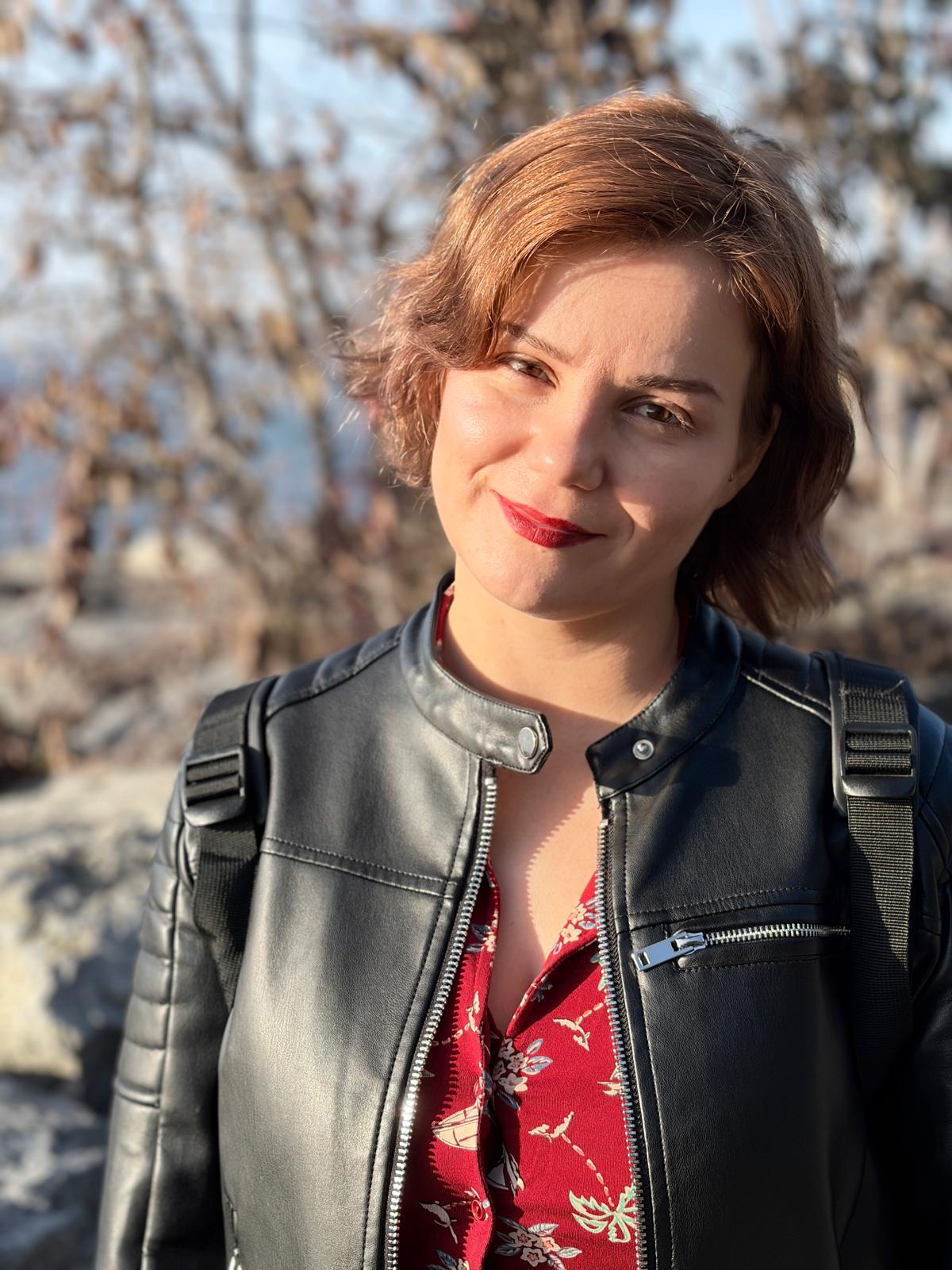
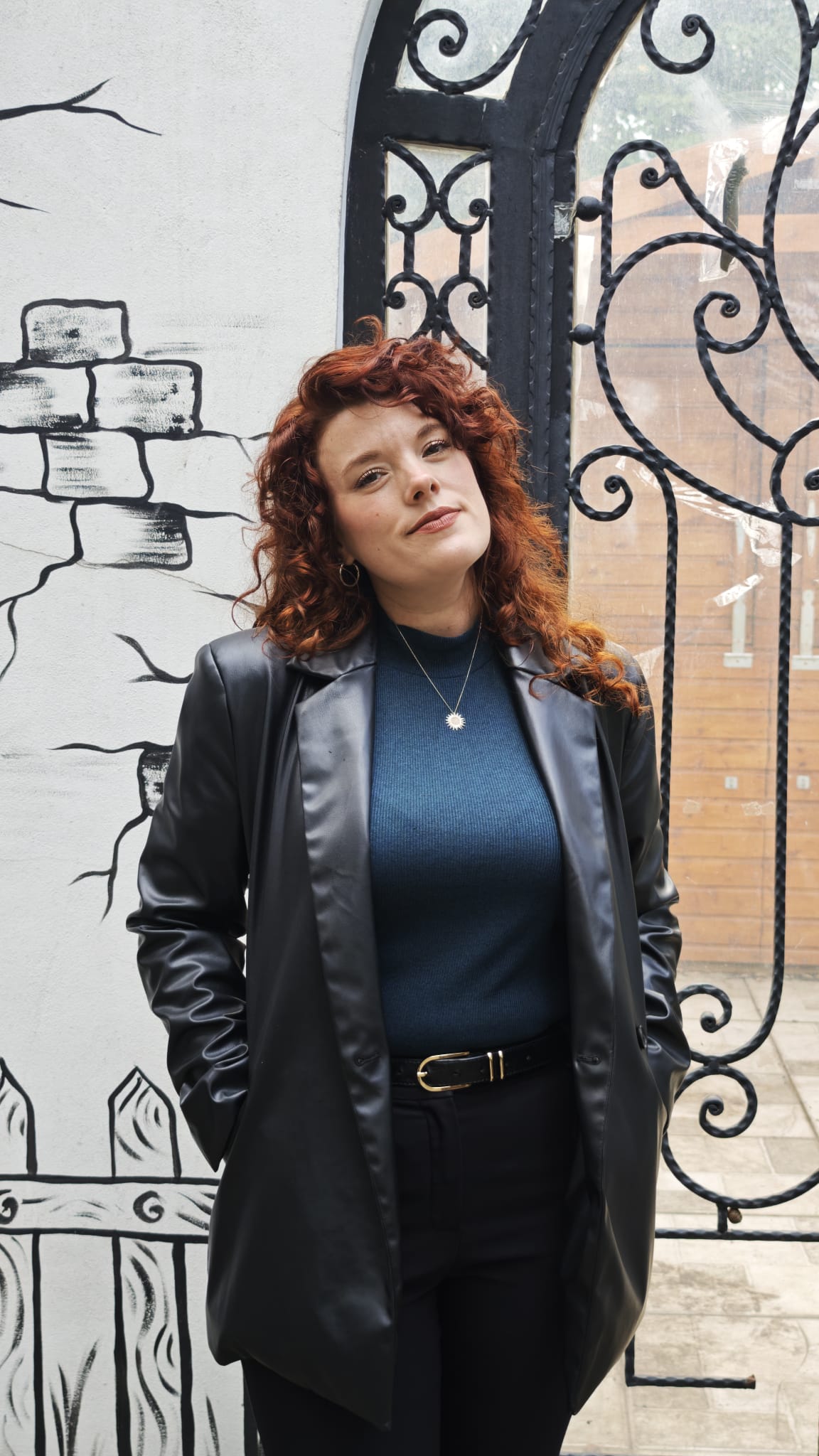
We had the pleasure of spending an afternoon playing Sofra with its creators and genuinely had a great time. Beyond the laughter and spirited debates over what does and doesn’t go with yoğurt, what really struck us was how naturally the game brings people together. Much like a real sofra, it creates a space for sharing stories, discovering each other’s quirks, and making new connections, regardless of where you’re from.
We sat down with Baylee and Berrin to talk about their friendship, their experiences across cultures and cuisines, the process of creating a game from scratch, and the simple joy of bringing people around the same table.
To start, could you both tell us a little about yourselves and how you first crossed paths? How did you end up working together on Sofra?
Baylee: Our first conversation was actually all about food. We were both looking to make some new friends online, and when I saw that Berrin was a chef, I was immediately interested, because I’ve always loved cooking and stories behind food. (I was reading a lot of Anthony Bourdain and other chef memoirs in those days.)
Berrin: Back then, I was coming up with ideas for a new fall menu, and when I saw that Baylee was from Texas, I asked her what traditional meals she grew up eating around Thanksgiving. We immediately clicked and even started working on trying out different recipes, looking for unique ingredients, and experimenting with different cooking techniques together.
There’s something quite fitting about building a game around Turkish food culture, given how much of our social lives here revolve around eating together. Where did the original idea for Sofra come from, and how did it develop into the game we see today?
Baylee: The idea for Sofra came to us when we saw a card game about running a roti shop, but the players sabotage each other by sending rats and flies to their competitors. From seeing all the food images, we realized making a game about Turkish food culture would be a great idea, because everyone already has very strong opinions about food, especially here in Türkiye. At first, we thought about just making it a “perfect pairing” sort of game, but then imagined that could get boring after a while, so we added different kind of occasions and challenges like offering the weirdest combination to an unexpected guest or “hear me out” pairings.
Berrin: We also wanted to make it reflect the daily life of Turkish people, so we added things like feeding various street animals and your neighbor suddenly bringing over a dish.
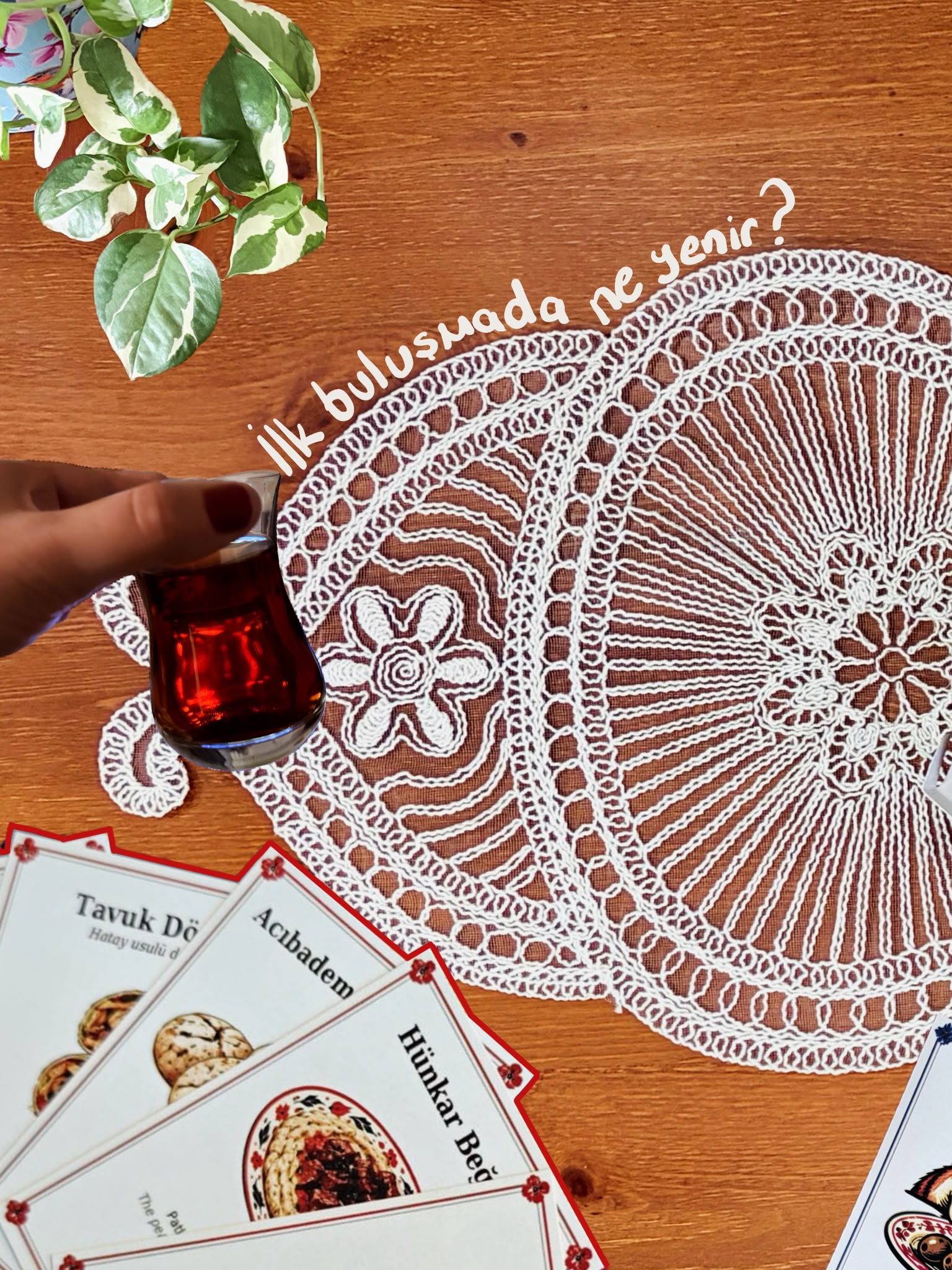
For someone who hasn’t had a chance to play yet, could you walk us through a typical round of Sofra? What makes the game entertaining, and how much does someone’s familiarity with Turkish food actually matter?
Baylee: It all starts with each player being dealt seven red Sofra cards (which are Turkish food and drinks). Then, the person who last cooked a meal becomes the group’s first Sofra Başı (head of the table). They draw the first blue occasion card, and end up choosing which offerings they like best from everyone else. We specifically wrote the descriptions through references to shared cultural experiences or debates, iconic scenes or moments from pop culture, and idioms to make it engaging for an audience deeply familiar with the cuisine while also being accessible to people learning about certain dishes for the first time.
Berrin: Actually, we’ve even introduced Turkish players to some foods they’d never heard of. We love seeing how excited people get to defend their dishes and learning about each other’s food habits and preferences. We’ve seen complete strangers get to know each other well by the end of a game, and seen best friends learn something new about someone they thought they already knew everything about.
(Baylee) Coming from the US, I’m curious about your introduction to Turkish food culture. Were there particular dishes, traditions, or experiences that surprised you when you first arrived (or even today haven’t quite fully bought into)? Has developing Sofra changed your relationship with Turkish culture in any unexpected ways?
Baylee: I think one of the first things that surprised me was how common it is to see both Texan and Mexican dishes on Turkish menus. I’ve always felt like there are honestly more similarities than differences between our cultures. I have to say I’ve become more fond of çay than iced tea, but developing Sofra has given me a safe space to say that your kısır should absolutely not be touching your ıslak kek.
(Berrin) On the other side of that, I imagine there are foods and cultural references that feel completely ordinary when you’ve grown up with them, but suddenly become quite interesting when you’re trying to explain them to someone from another country. Has working on this made you reconsider anything about your own culture?
Berrin: You tend to assume people are basically following the same traditional recipes, but I’ve become much more aware of the strange things people are doing in their kitchens. We’re talking about putting reçel on scrambled eggs and chocolate on salam with a piece of kaşar in the middle.
There’s obviously quite a bit that goes into creating a game beyond coming up with an entertaining concept. How have you divided up the responsibilities, and what have been some of the biggest challenges or surprises throughout the development process?
Baylee: We made a point to brainstorm all the different foods together according to different categories, like kahvaltı, rakı sofrası, altın günü, etc. Then we wrote descriptions together in both Turkish and English, researching historical context if nothing came to us naturally. Berrin worked on the aesthetic while I developed the game mechanics.
Berrin: I think the biggest challenge has been the printing process. Because we’re doing everything ourselves with neighborhood print shops, we’re all learning something new together every day. We’ve gone through several different prototypes to get to the version we’re at today.
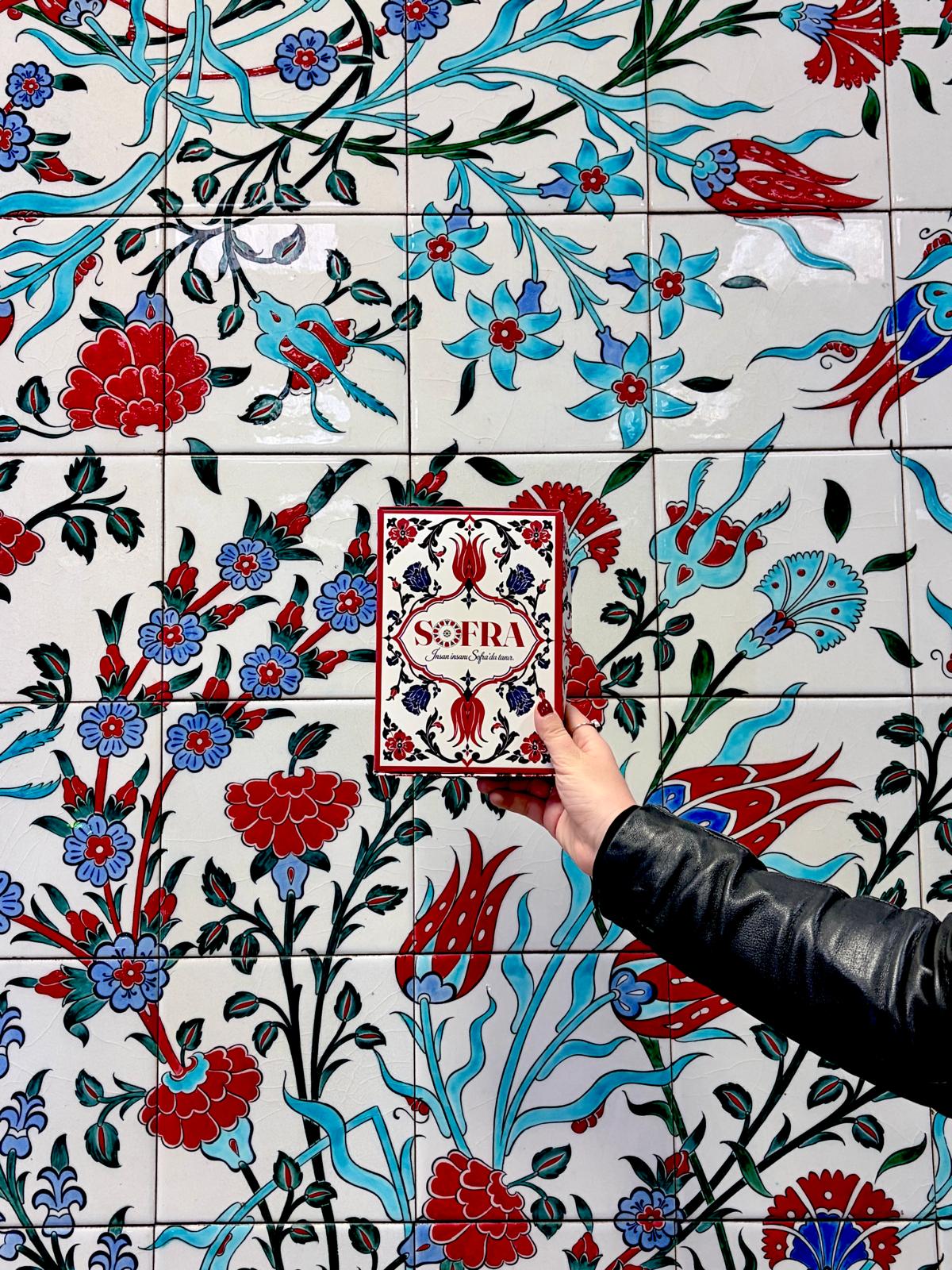 I’d love to hear more about the visual identity of Sofra. How did you approach the artwork and overall aesthetic? Were there particular influences or ideas you wanted to capture?
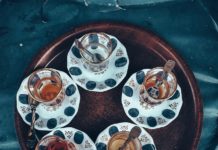
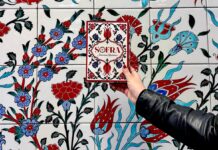
Baylee: The first inspiration came from the Turkish tea plate. From there, it was only a matter of time before we were using other traditional elements like çini and dantelle. We wanted it to feel nostalgic, like watching old Yeşilçam films in a 90s living room.
Berrin: We also wanted to give it a contemporary twist, so we added visual references to Turkish-specific memes and cultural moments, especially in the occasion cards.
You’ve already been through several rounds of playtesting, and I imagine watching strangers play something you’ve created can be both exciting and a little stressful. What’s been the most useful or surprising feedback you’ve received? Has anyone played the game in a way you hadn’t anticipated?
Baylee: I would say the most useful feedback we’ve received are people’s suggestions for new cards. It’s really inspiring to see people get so excited to share even more experiences and truly become a part of the Sofra we’ve created.
Berrin: I always find it surprising that so many different types of people come to our table. We’ve had people admit they don’t usually like these kind of games, but then they don’t want to get up from the table and say they can’t wait to play again.
You recently brought Sofra to a festival, which I imagine was a significant milestone. What was that experience like, both in terms of seeing people interact with your game and meeting other creators? What have you learned about Istanbul’s tabletop gaming community through this experience?
Baylee: We were honestly a bit worried about how to even start talking to people, but everyone was so warm and open that it was easy to feel comfortable and just have fun together. Everyone was really supportive of each other and always coming up with ideas to help each other develop our games even more.
Berrin: We were also worried that people might judge us for “doing too much” with our table’s decor, but everyone loved that we offered kolonya and even recognized Sofra from the Instagram stories, saying how cute it was and how excited they were to play it. We’ve learned that the tabletop gaming community, just like Sofra, is somewhere everyone belongs.
Is there a particular card, illustration, or combination in the game that you’re especially fond of? Perhaps something with a funny backstory, or an idea that took several attempts before you finally got it right?
Baylee: Personally, I’m always happy to see the ışgın card come into play. Hardly anyone knows what it is, so it’s always a little opportunity for me to brag about how I discovered it when Berrin and I saw a man selling it from a cart on the streets of Kadıköy (even she didn’t know what it was at the time). I never pass up an opportunity to try something new, and even more-so, an opportunity to talk about it later on. The “Spill the Tea” card asking what food everyone else loves that you just don’t get is another guilty pleasure, because I always have something to say, whether that’s about ıslak kek or ayran aşı çorbası.
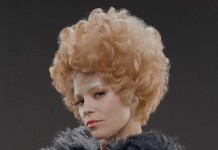
Berrin: My favorite is the köpek card, because the picture is based off one of my favorite memes of a dog holding a loaf of bread in its paws. I also love the yoğurtla gider card. Everyone always laughs at that one, because we all know how true it is that we can put yoğurt on anything and everything. And there’s always at least one person who plays “yoğurt with yoğurt”.
Looking ahead, what are your ambitions for Sofra? Are you primarily focused on releasing the physical game, or do you envision game nights, community events, or even other games further down the line?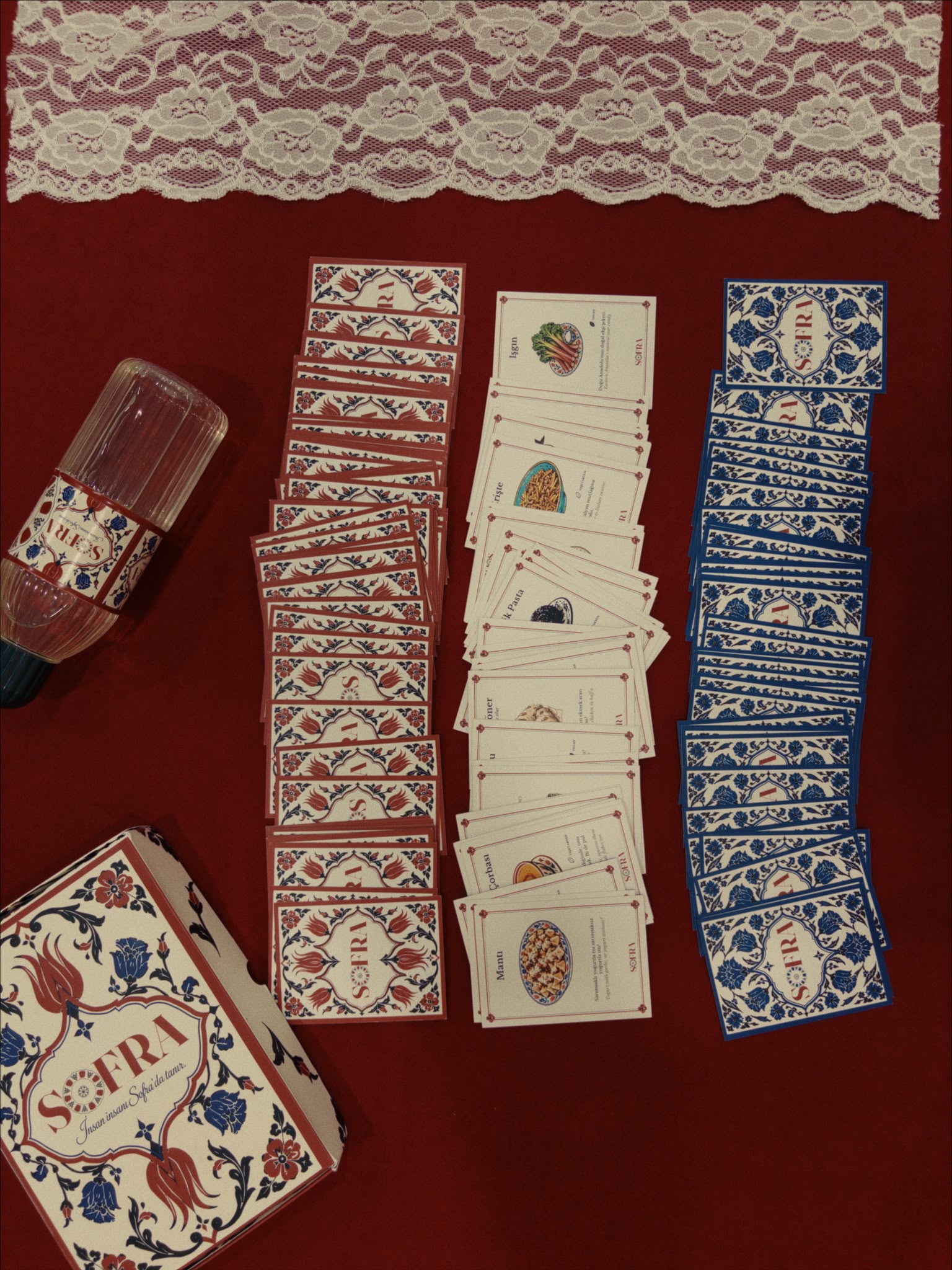
Baylee: Honestly, what we want is to give people a sense of belonging and community, and Sofra is just a very fun way we’ve found of doing that. We love all the game nights we’ve had with all different kinds of people sharing the same table, and we’d love to keep that community growing even more. It’s really all about sharing experiences and feeling heard. And we do have some more ideas for projects in the very near future that we’re playing around with…
Berrin: I want to see all the teyzes and grandmas playing this game with their families on long summer nights.
Finally, let’s end with something appropriately food-related and aligned with your game. Imagine you’re hosting a dinner for a group of friends, some Turkish and some visiting Türkiye for the first time. You’ve got complete freedom to put together the menu. What are you serving, and is there anything you’d absolutely refuse to put on the table?
Berrin: I’d start with my mom’s homemade tarhana çorbası. İçli köfte, lahmacun, ayran. Then for dessert, künefe and çay.
Baylee: Well, I’d definitely have some sarma and ıspanaklı börek on the table to set the mood while I simmer the yayla çorbası so it comes out nice and steaming. Drizzled with melted butter and pul biber, a healthy pinch of dried mint, and sprinkled with isot. I’d make a full altın günü spread of mücver, kısır, çiğ köfte, içli köfte, kuru patlıcan dolması… People would be able to try a little bit of everything. The only thing I absolutely wouldn’t put out is ıslak kek. We can have kabak tatlısı with plenty of tahin and walnuts instead. Their çay glasses would never be empty. To end the night, I’d make some bol köpüklü Türk kahvesi and read everyone’s cups.
To keep up with Baykee and Berrin and their work, be sure to visit the Sofra Instagram Page.
All images courtesy of the interviewees.