







In my previous article, I wrote about the more difficult side of navigating Turkish family dynamics as a foreign partner. The constant phone calls, the blurred boundaries, the feeling that your relationship sometimes includes more people than you expected.
But there is another side to this experience that many people only start to understand with time.
Because the same family culture that can feel overwhelming in the beginning can also become one of the most comforting parts of life in Türkiye.
One thing I hear often from foreign clients living here is this: “At first, I thought they were interfering. Later, I realized they were trying to include me.”
That shift changes the way people experience everything.
Of course, there is no single Turkish family model. Family dynamics vary enormously depending on the city, social background, education, and the personalities involved. Some families are respectful and emotionally balanced. Others can still be intrusive or controlling. Culture may explain certain behaviors, but it does not excuse unhealthy ones.
Still, there are some experiences that come up again and again in conversations with foreign partners.
One of them is the feeling of never really being left alone.
In many Western cultures, caring about someone often means respecting their space. In Türkiye, care is usually more visible. More active. People call, insist, check in, show up at your door, ask questions, bring food, offer help before you even ask for it.
Sometimes this feels comforting. Sometimes it feels exhausting. Sometimes both at the same time.
I remember one client who got sick not long after moving to Istanbul. She barely knew her partner’s family then, but his mother arrived at the apartment with homemade soup, medicine, extra blankets, and enough food to last days. The client laughed while telling me this because back home, she said even close relatives would probably send a message first and ask whether visiting was okay.
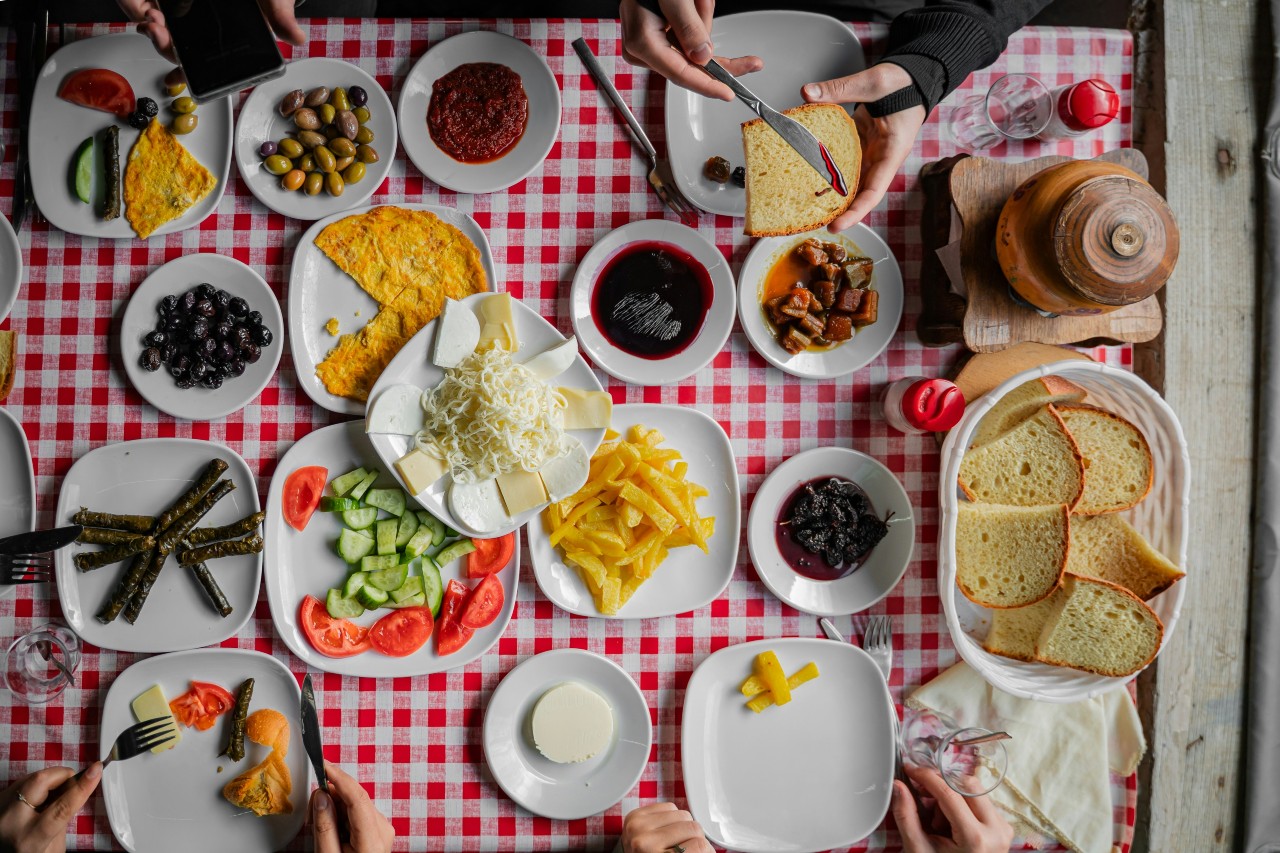
Another client told me she used to dread big family breakfasts. Too many people, too much noise, too many questions, too much food being placed on her plate every five minutes. In the beginning, she experienced it almost like social pressure.
About a year later, she spoke about those same breakfasts completely differently.
“I think it’s the first time in my life I’ve understood why people like having a big family,” she told me.
That emotional transition happens more often than people think.
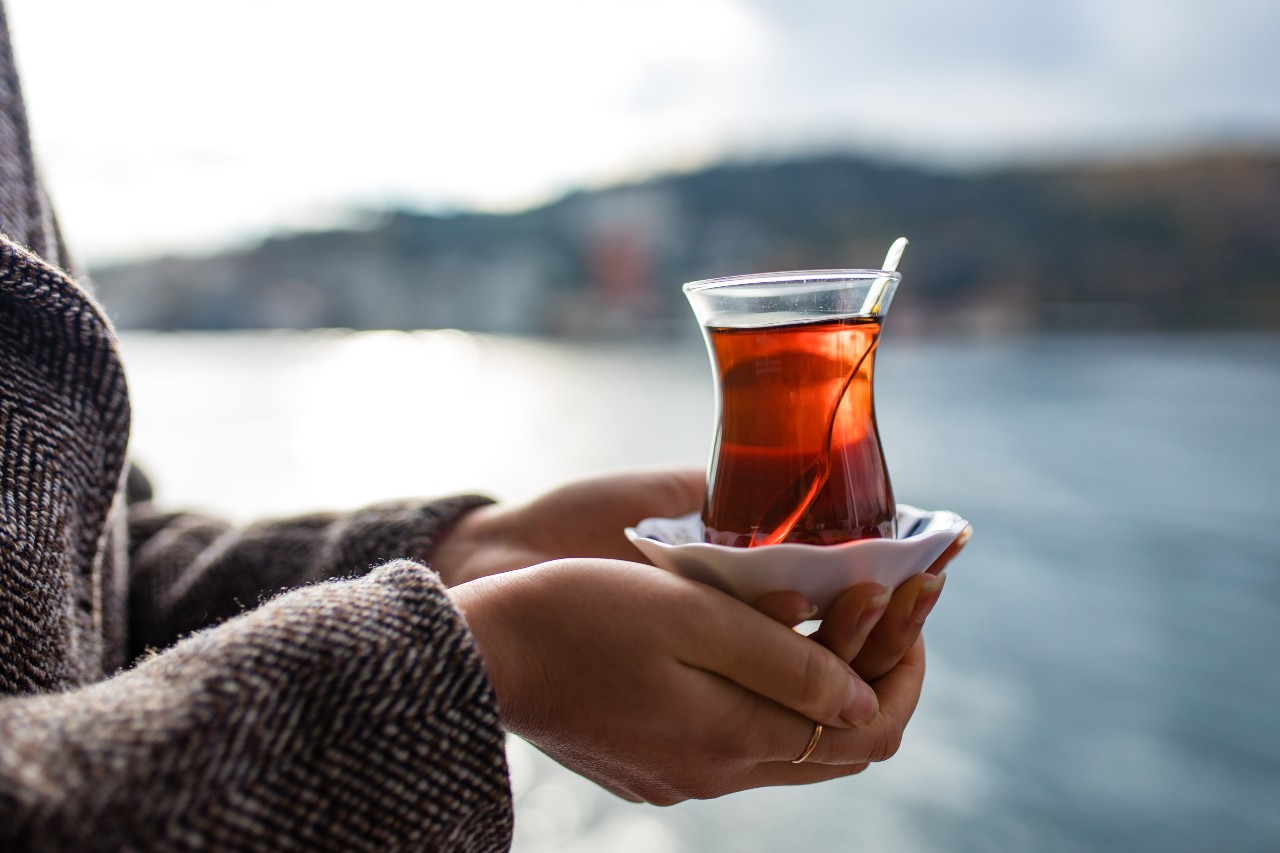
Because after a while, many foreign partners stop focusing only on the involvement itself and start noticing the intention behind it. The effort. The consistency. The fact that people keep showing up.
In Turkish culture, love is often expressed practically. Through food, through time, through concern, through wanting you around. Sometimes even through a level of closeness that initially feels too intense.
One client once described this dynamic to me in a way I never forgot. She said, “In my culture, if you refuse something once, people respect it. In Türkiye, if you refuse three times, they think you are finally starting the conversation.”
She was talking about food at first. The endless offers of tea, dessert, more breakfast, more dinner. The almost impossible task of leaving a Turkish home without eating something. But later she realized it was not really about the food itself. For her partner’s family, insisting was a way of showing care, generosity, and emotional warmth.
“At some point,” she told me laughing, “I stopped hearing pressure in it. I started hearing affection.”
And yes, this can still become unhealthy if there are no boundaries. Not every close family dynamic is healthy just because it comes from tradition. Some families struggle with emotional dependency, control, or guilt just like families anywhere else in the world.
But healthy closeness and emotional entanglement are not the same thing.
That difference matters.
What surprises many foreigners over time is how quickly they stop feeling like outsiders once they are genuinely accepted. You are no longer “the foreign girlfriend” or “the foreign boyfriend.” You slowly become part of the rhythm of daily life.
Someone saves you food before dinner is over. Someone asks whether you got home safely. Someone notices you are quiet before you even say anything.
These are small gestures, but for people who grew up in emotionally distant environments, they can feel unexpectedly powerful.
I have had clients tell me they started missing the noise of Turkish family life when they travelled back to their own countries. The crowded tables, the constant movement, the feeling that somebody is always around.

At first, those same things had overwhelmed them. Later, they felt strangely comforting.
There is also another layer to this that many foreign partners notice over time. In Türkiye, relationships are often approached with a stronger sense of permanence. Families may become emotionally invested very early because, in their minds, they are not only getting to know you for today. They are imagining you as part of the future.
That can create pressure, of course. But it can also create a feeling of continuity and emotional security that some people find deeply grounding.
None of this means boundaries stop mattering. A healthy relationship still needs privacy, individuality, and emotional separation from the family. Love should not require disappearing into someone else’s system.
But understanding the emotional meaning behind certain behaviors changes the experience completely.
Because sometimes what first feels like intrusion is actually closeness expressed in a language you are not used to yet.
And over time, many people stop asking, “Why are they so involved?” and start asking something else instead: “What kind of connection do I want to build in my own life?”
Somewhere between the discomfort and the belonging, many foreign partners end up discovering a version of family they did not fully understand before.
And sometimes, without expecting it, they find themselves changed by it too.