





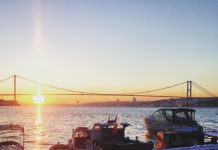

Head-On by Fatih Akın is one of those films that perfectly encapsulates the beauty and energy of Istanbul, with its flaws and all. The iconic film does not represent Istanbul in the way we are commonly used to, with a beautiful view of the Boğaziçi Köprüsü, or with shots of the magnificent historical buildings in Beyoğlu, but with an intense, raw and melancholic reality of the back-alleys of Istanbul. It’s a version of a city that isn’t polished for tourists; it’s a snapshot of a specific era in Istanbul. If you, too, are a cinema enthusiast looking to trace the footsteps of Sibel and Cahit in Istanbul, here is your definitive route through the iconic Istanbul locations of Head-On.
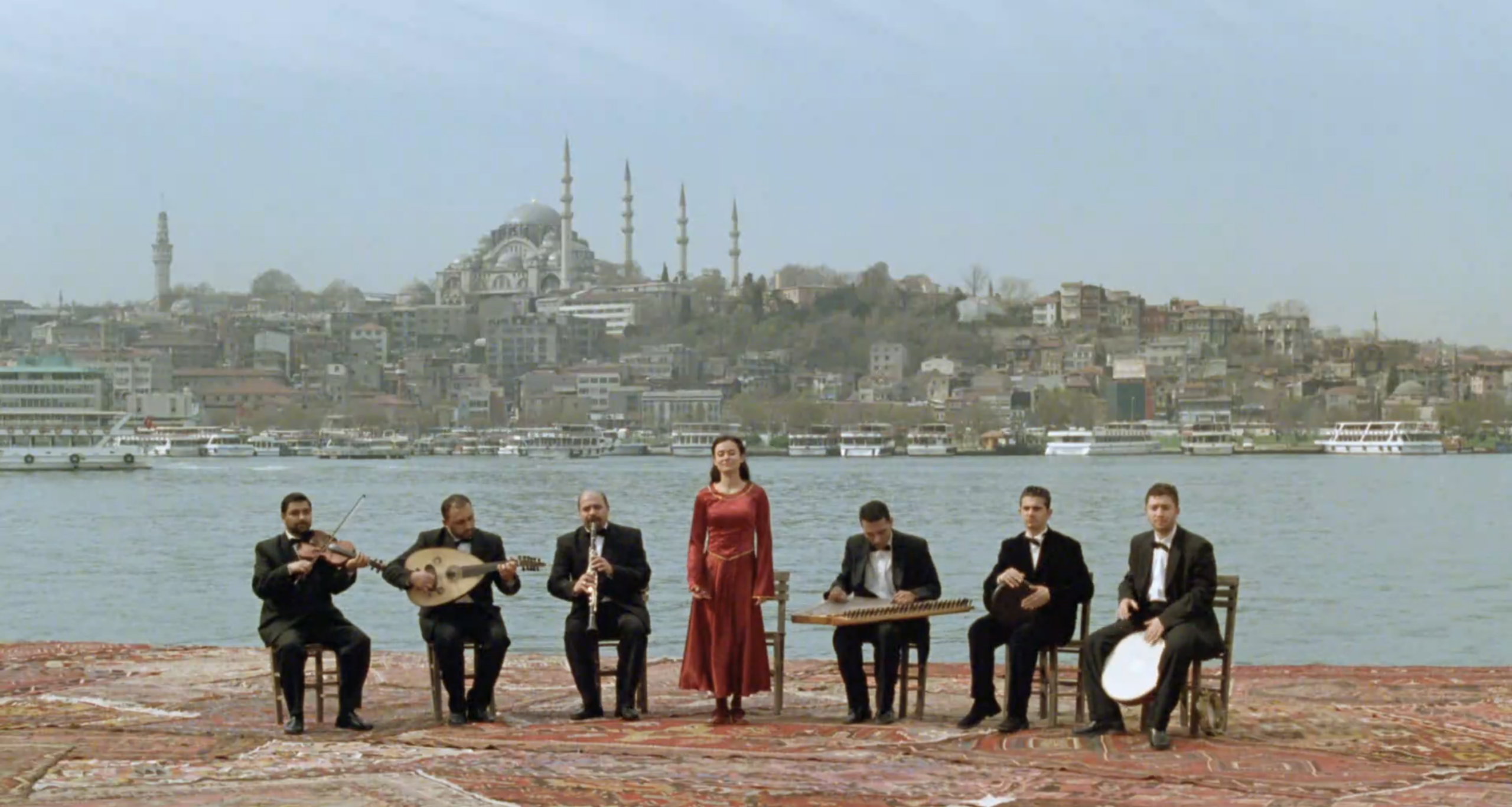
Before the film’s narrative route even takes us to Istanbul, the film opens with a stunning musical prologue along the Golden Horn. Selim Sesler and his fasıl ensemble sit on a red-carpeted platform on the banks of the Golden Horn (specifically around the Eminönü/Unkapanı shoreline), with a view of the majestic silhouettes of the Süleymaniye Mosque and Galata Bridge in the background. This musical interlude constantly replays throughout the film, especially to mark major chapter transitions.
Following Sibel’s dramatic flight from Hamburg to escape her family, Sibel arrives in Istanbul. Her cousin Selma takes her in and gets her a job as a housekeeper at the luxury hotel she manages, The Marmara Taksim, at Taksim Square. The backdrop of perhaps the most iconic line and scene from the movie, is the personnel door on the back-side of the hotel where Sibel reads her letter to Cahit (who is still in a German prison), uttering the famous line: “Istanbul is a vibrant city, bursting with life and color. Yet, I feel like I am the only lifeless thing in it.”


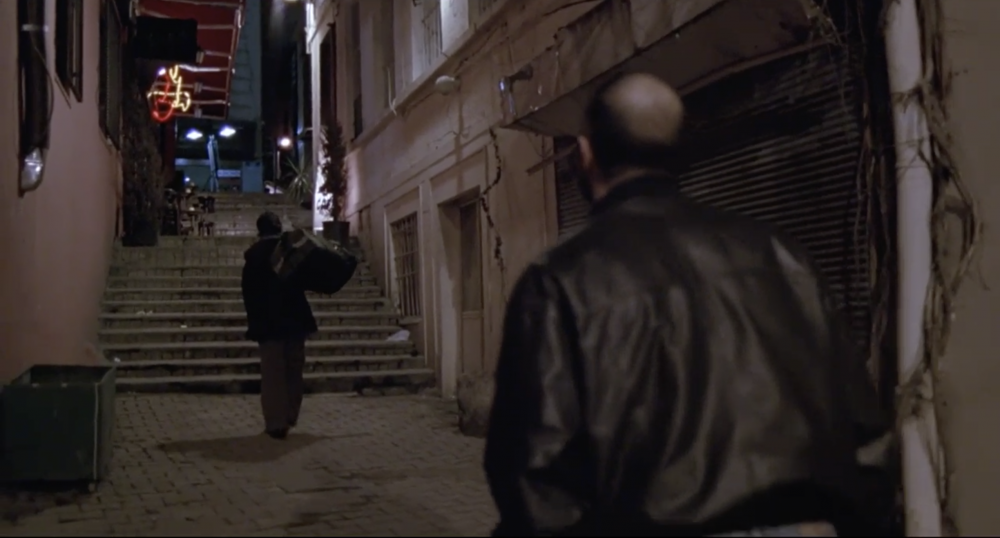
As Sibel tries to cope with her isolation and trauma in Istanbul, she drifts into the city’s nocturnal underground. Her desperate wandering in the back-alleys of Beyoğlu leads to a brutal, late-night confrontation with the local tinerciler (glue sniffers/addicts) where she is stabbed. The sequence was filmed in the raw, dimly lit back-alleys of Beyoğlu and Tarlabaşı, capturing the intense, chaotic, and tekinsiz (uncanny) underbelly of the early 2000s nightlife of Taksim.
Years later, when Cahit is released from prison, Istanbul becomes his destination as well. His arrival brings the route back to Taksim, more specifically the hotel, The Marmara Taksim, which is the film’s clearest Istanbul anchor. In his search for Sibel, he moves through the same emotional geography she crossed alone: Taksim, Beyoğlu, hotel corridors, crowded streets, and the side roads around İstiklal.
Cahit stays at the historic Grand Hotel de Londres (Büyük Londra Oteli) in Tepebaşı. With its dim atmosphere and worn-out look, the hotel perfectly fits into Head-On’s Istanbul: beautiful, melancholic, and unpolished. It also becomes the setting of Cahit and Sibel’s reunion, making it one of the most memorable stops in the route. True to the film’s raw and intimate atmosphere, instead of placing them against a grand Bosphorus view or at a romantic landmark, the film brings them together inside an old hotel.

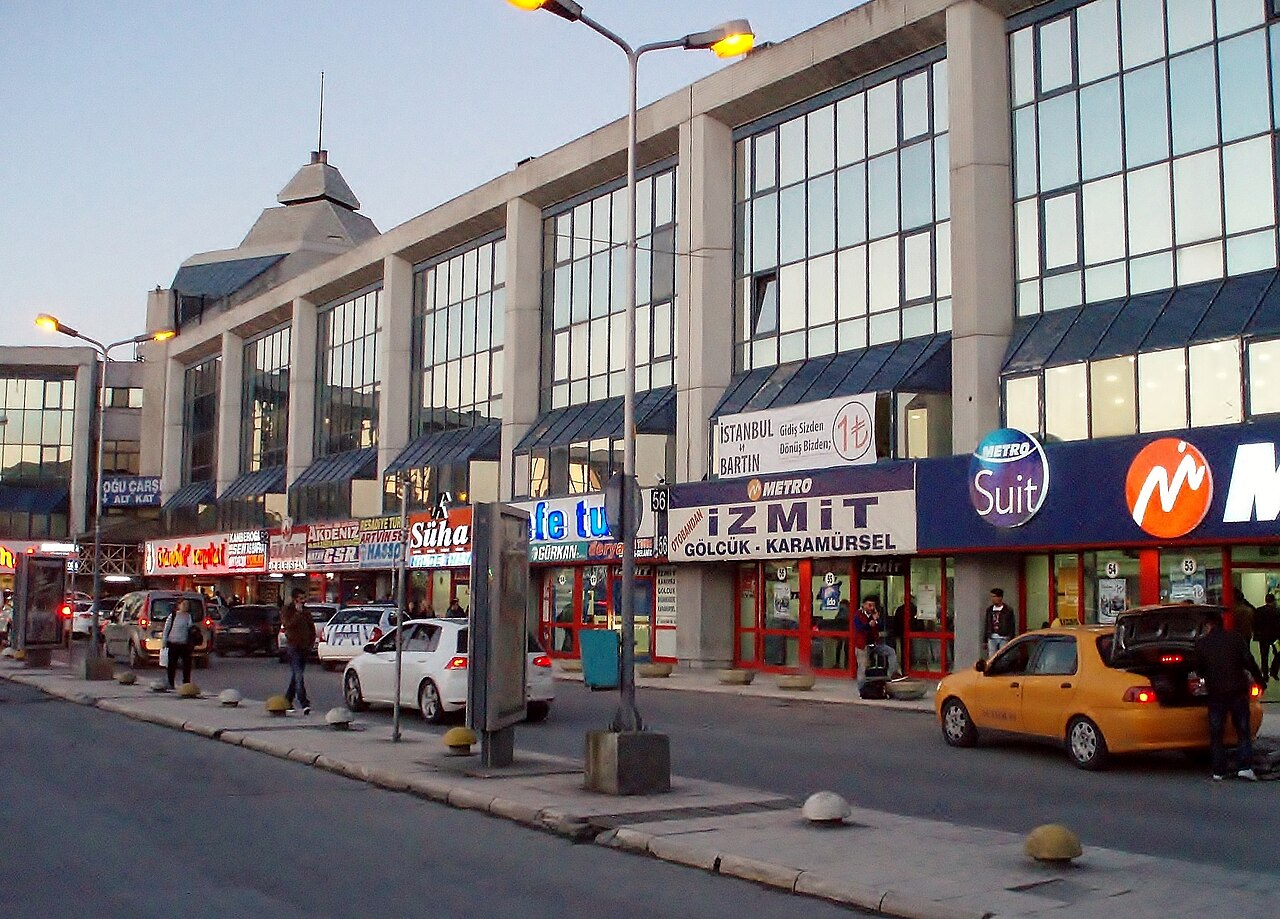
Finally, as the route moves toward departure, the film ends at Esenler Otogarı where Cahit leaves Istanbul and heads alone towards Mersin, his hometown and Sibel stays behind. Their final stop is not glamorous, but that is exactly why it belongs in the atmosphere of Head-On. With its crowds of passengers, echoing announcements, and buses preparing to leave the chaotic city of Istanbul, the otogar captures the feeling of being between two lives.
In the end, tracing the route of Head-On through Istanbul is less about finding the picture-perfect landmarks and more about following the emotional map of the film: The Golden Horn, Taksim, The Marmara, the back-alleys of Beyoğlu and Tarlabaşı, Grand Hotel de Londres, and finally Esenler Otogarı. These stops altogether reveal an Istanbul that is rough, intimate, and deeply cinematic; not the images of Istanbul you see on postcards, but a darker, more lived-in journey through the city’s side streets, hotel rooms, service doors, and departure points. For yabancıs who want to experience Istanbul beyond the usual checklist and follow the light of Head-On, this route offers a different, less polished and more emotional way of walking through the city.